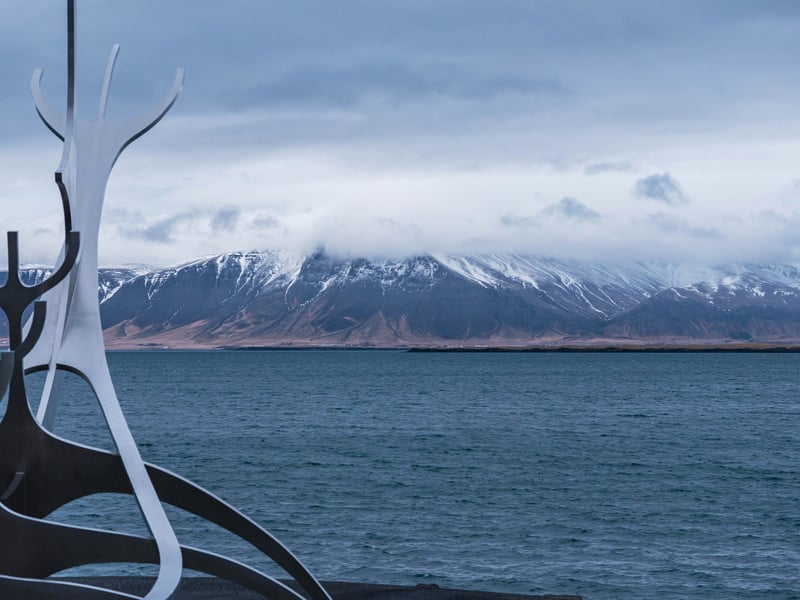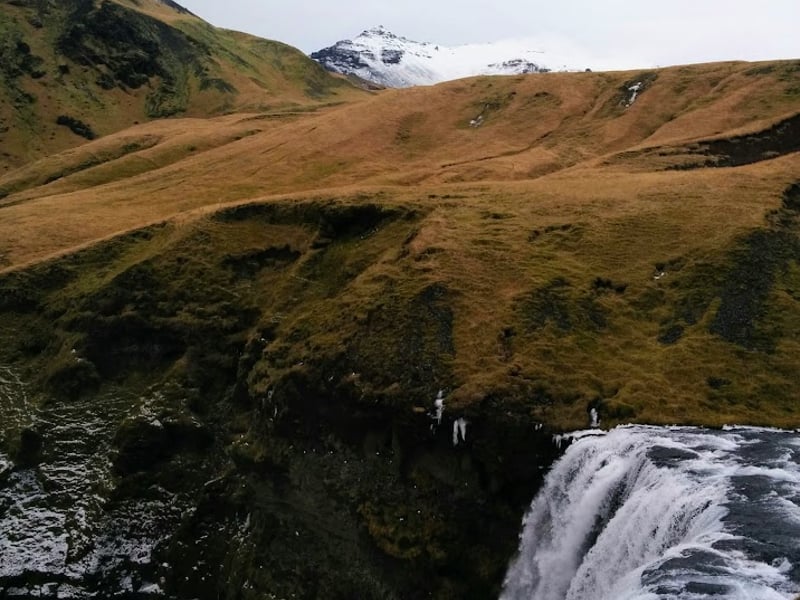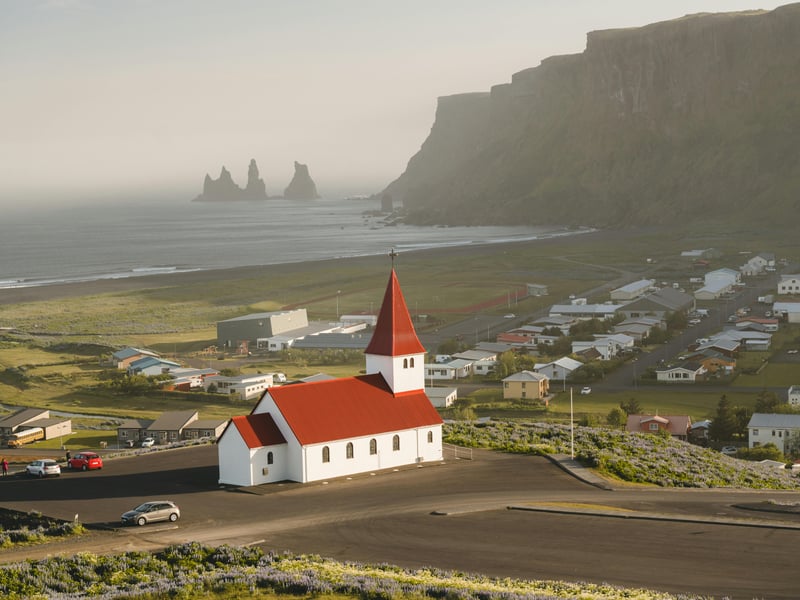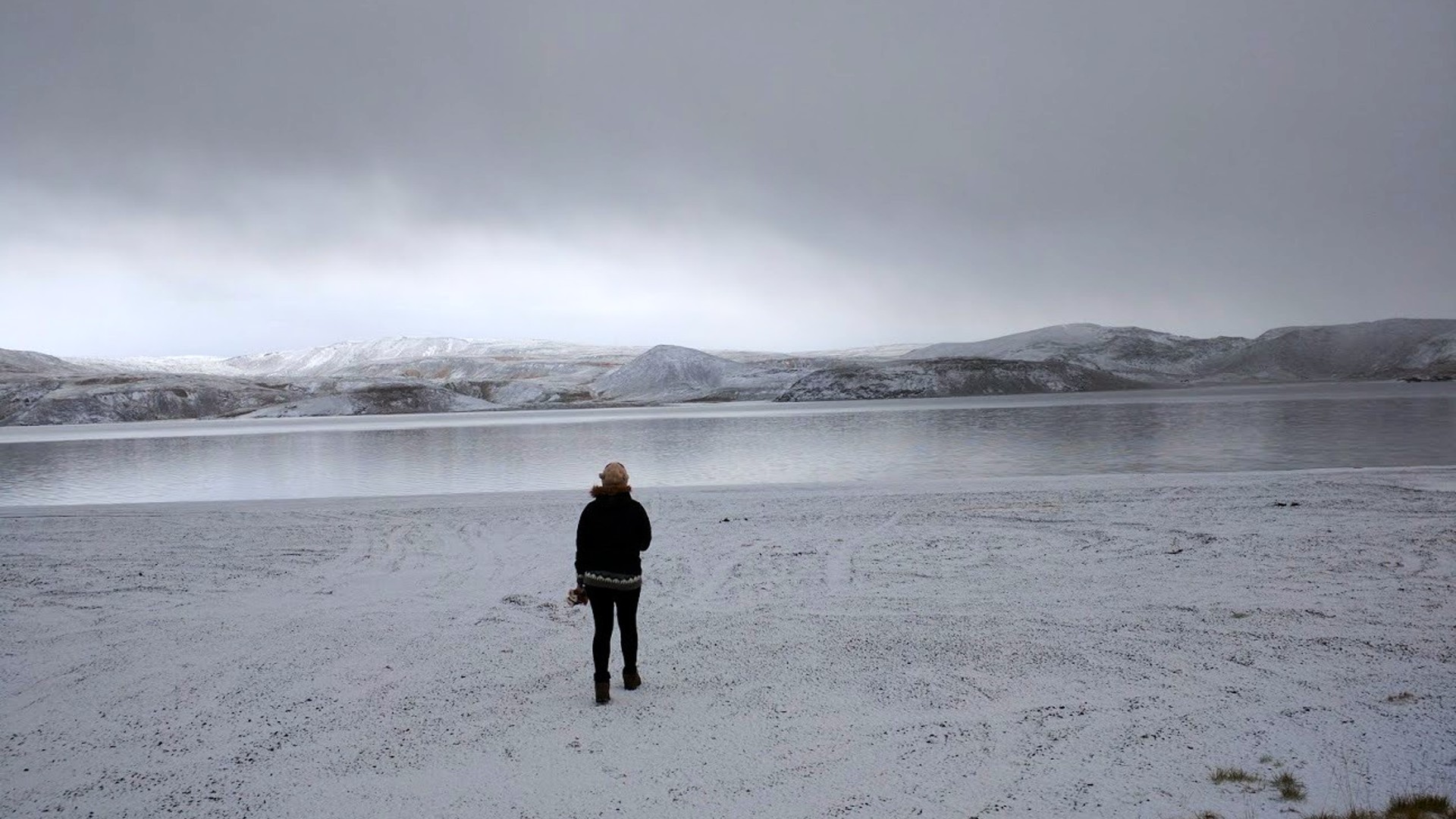
So you're thinking of visiting Iceland in the winter? Then you're about to experience one of the most incredible countries during what is (we think) its most special time of year. We travelled to Iceland and completed a self-drive tour around the South of the country at the end of November. Here's our round-up of tips and things to know if you're travelling in Iceland in winter.
Iceland is unlike anywhere else we've travelled to. It may not be the coldest place you can visit in the winter (the temperatures are actually quite mild), but it is one of the harshest; with winds that can whip-up icy chills and weather conditions that can change in a snap. But winter also brings with it the possibility of beautiful snow-capped landscapes, snug winter layers and the opportunity to see the elusive Northern Lights!
1. Know how to check the conditions
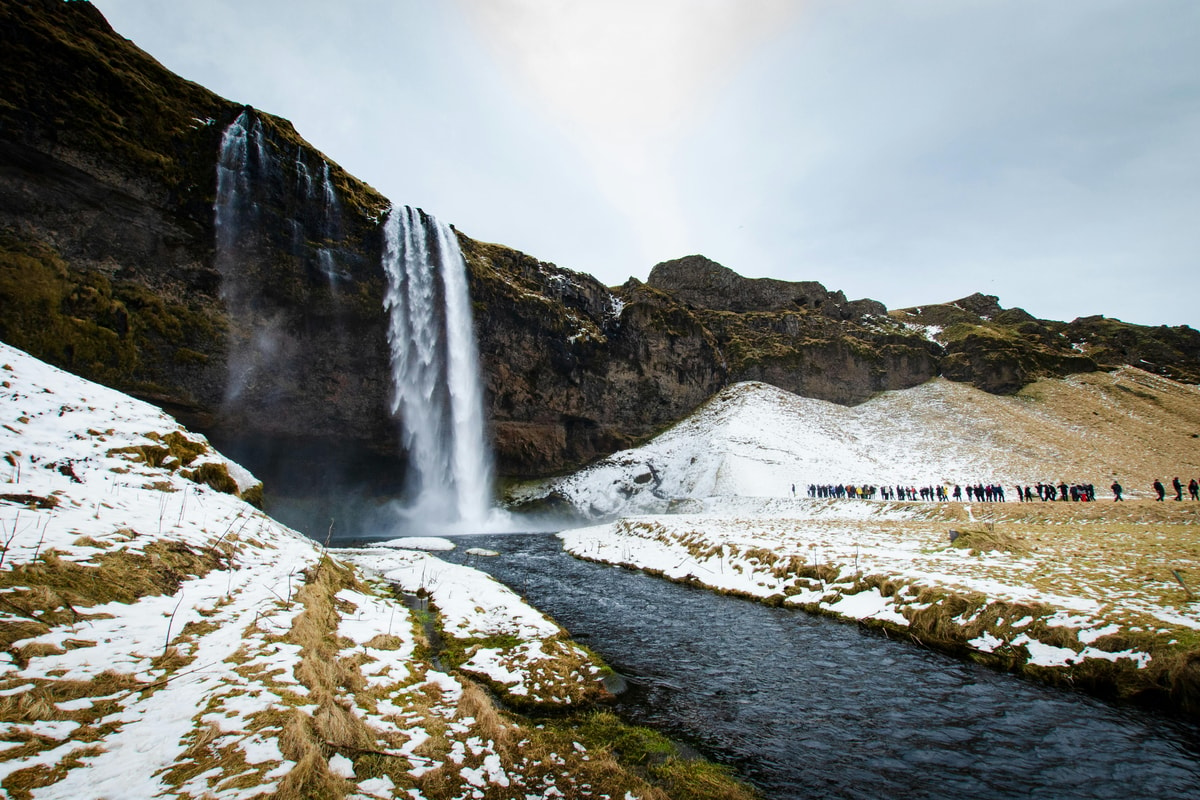
The winter season lasts from September to early April in Iceland, and conditions can vary wildly in that time. When you're travelling in Iceland in winter, it's worth planning your days carefully and knowing what to expect:
- vedur.is – this is the Icelandic Met Office, and will track everything from weather conditions, to earthquake reports and aurora forecasts. We used this website daily - if not sometimes multiple times a day - and it was a huge help when planning our days around the unpredictable Icelandic weather.
- safetravel.is – run by the Icelandic Association for Search and Rescue. This site provides helpful guides on road signs, a text alert service and keeping yourself safe. There's also a handy app you can install.
2. Driving in the winter
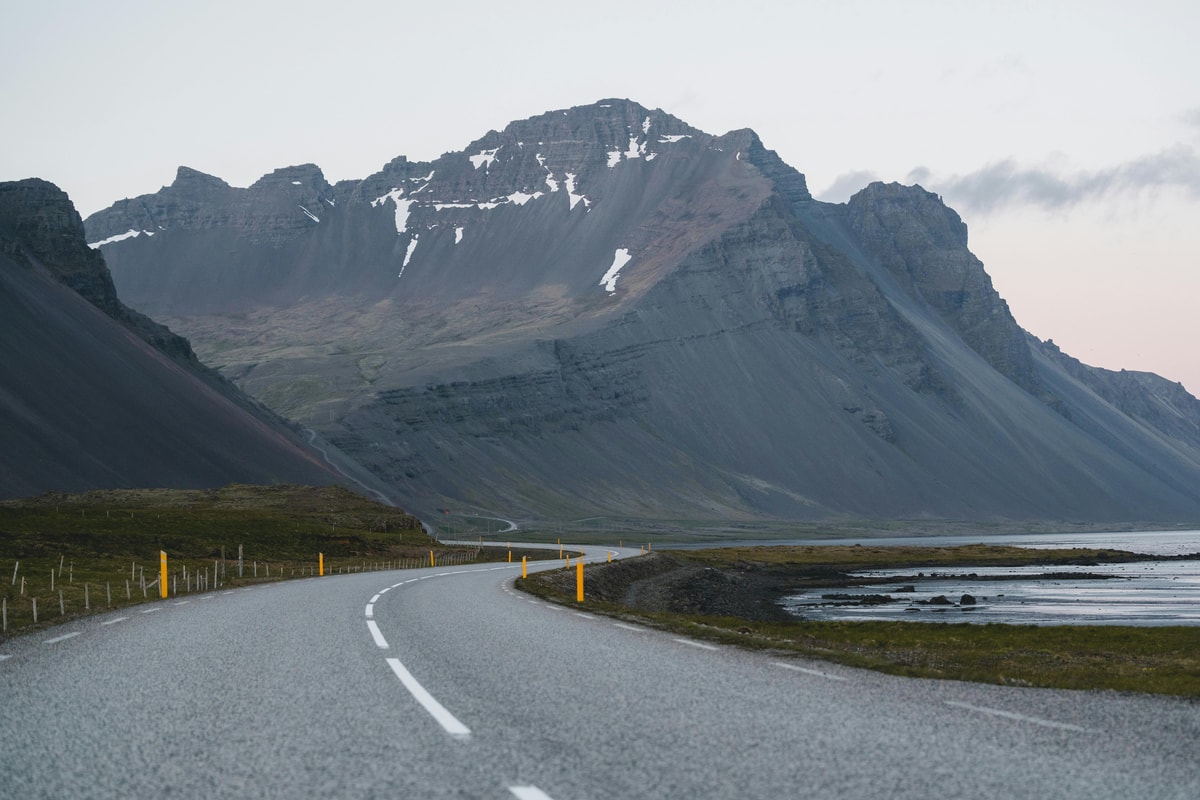
Driving in Iceland generally isn't as daunting as most people assume. However, conditions can change quickly, and so you do need to be a confident driver and be comfortable driving in another country.
For travelling in Iceland in winter we recommend checking road.is. Check it when you're out and about, or before you're planning to leave. This is the official source for information on road conditions in Iceland. Combined with the Icelandic Met Office should give you all the facts you need on the weather conditions each day.
If you're hiring a car, rental companies will provide snow tyres during the winter, which should be more than sufficient (but do still be careful). You may want a 4x4, but if you're sticking to the main roads it's not necessary. We hired a front-wheel drive Kia C'eed when we travelled around the South of Iceland and we found this to be more than enough.
Unlike the UK, where we are never prepared for the what the winter weather throws at us, Iceland is very much used to it, and has the support and infrastructure to handle the harshest of conditions. We drove through a horrendous snow storm to watch the Northern Lights, which literally covered everything in its path with a thick blanket of snow. But before daybreak, the snow ploughs were out in force clearing the roads for the day ahead.
3. Know how many hours of daylight you have ahead of you
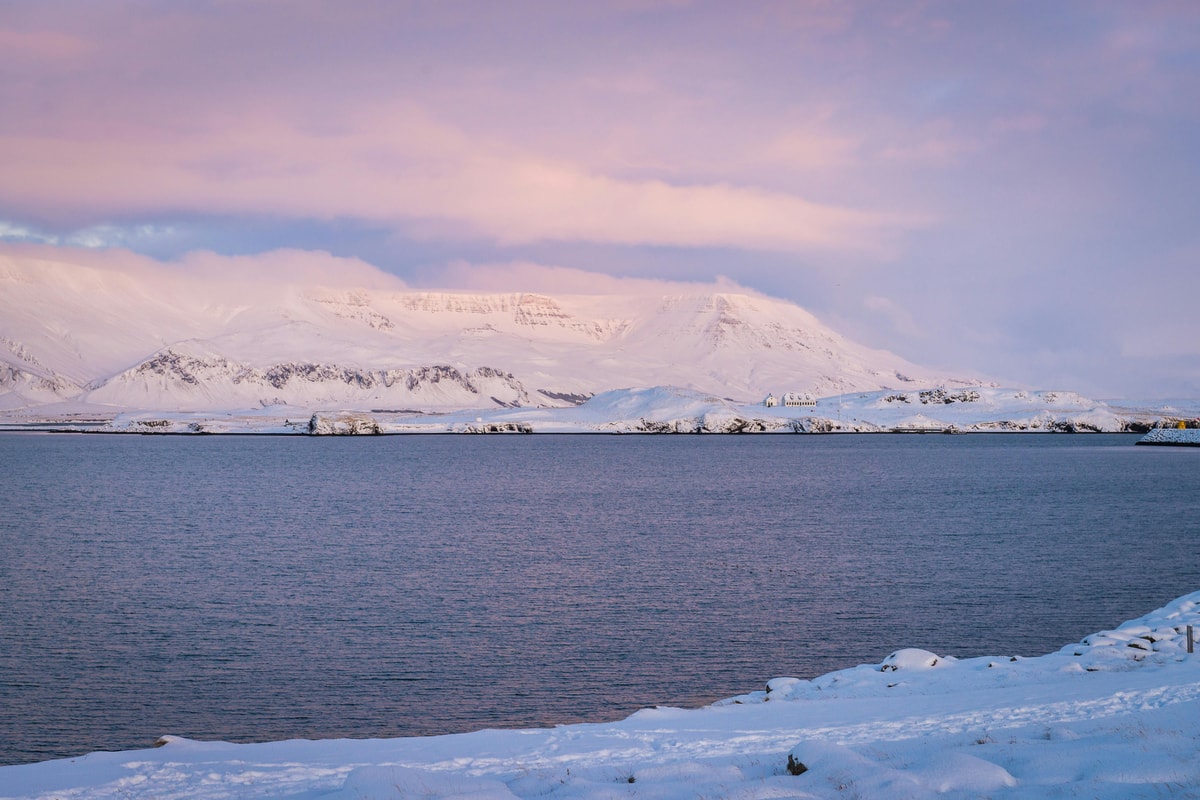
Due to its high latitude location, Iceland experiences minimal hours of daylight during the winter, peaking during December when the country averages 4 hours of daylight, with the sun rising at 11am and setting again around 3pm. However, the total number of daylight hours can vary wildly in the winter, from a minimum of 8 hours in October, to as little as 4 hours in December, or even 10 hours in March.
timeanddate.com is a handy site when you're planning your days in Iceland, so you can plan your time wisely and maximise the daylight available to you.
With that in mind, it's worth starting your days early in the winter. If you're planning a day of exploring, then leave before it's light, so that you can make the most of what you want to see.
4. Pack all of the layers!
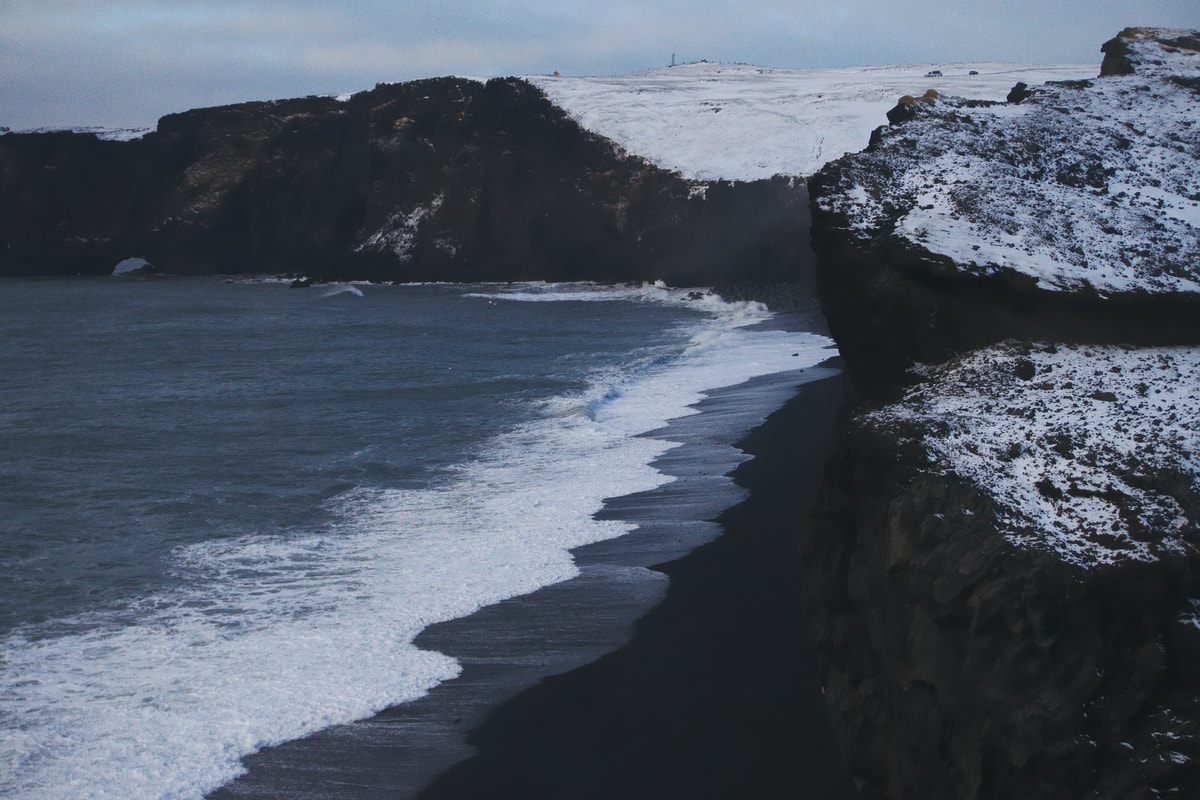
During the day, winters in Iceland can be quite mild, but don't let that fool you, as any wind chill can feel many degrees colder. You will especially feel the cold at night when the temperature really drops, so make sure you're prepared with lots of layers. You ideally want to wear about 3-5 layers - we would recommend the below as your daily basics:
- Underlayer - both top and bottoms. I've worn thermal bottoms or fleece lined leggings before which have been fine. You'll want merino wool or something with equal thermal properties for your top layer
- Your daily t-shirt - whether that be a short sleeved or long sleeved t-shirt. Plus jeans etc over your base layers. Ultimately, layers will be your friend!
- A cosy middle layer - a thick wool jumper or a decent fleece to keep your body heat in and provide good insultation
- A decent waterproof and windproof jacket
- Over trousers - and ideally waterproof also to go over your jeans and base layers if the weather is rubbish
- Decent walking shoes - these are a must during the winter in Iceland. You may not need them on the daily if you're exploring Reykjavik, but certainly in the more rural parts of Iceland, where the ground is uneven slippery during the winter. Get yourself some decent footwear with good grip and ankle support
- Don't forget your accessories! This includes scarf, hat and gloves, but also some other essentials such as hand warmers if you're spending a night out in the cold, plus thick thermal socks.
- And of course don't forget your swimwear so you can take a dip in the thermal baths!
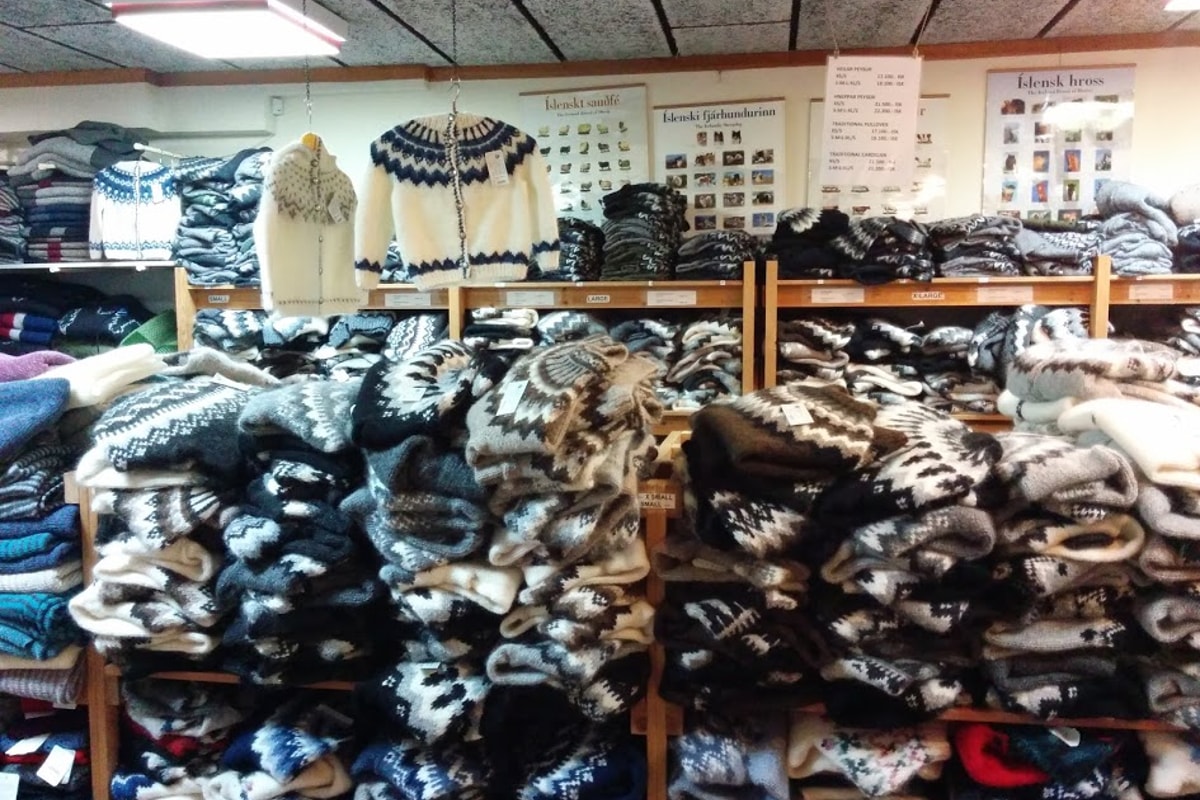
5. Invest in a Lopapeysa (genuine Icelandic jumper)
If you want to be really cosy, invest in a genuine lopapeysa (a traditional Icelandic jumper) made from 100% unspun Icelandic sheep’s wool. They're incredibly warm with high insulating properties – perfect if you’re visiting Iceland during the winter time. You will find plenty of jumpers for sale in stores around Iceland in the style of a classic lopapeysa, but these are often made in China and are not from genuine Icelandic sheep’s wool. We recommend visiting the Handknitting Association in Reykjavik, a small store filled to the brim with handknitted jumpers of varying sizes, colours and styles – you will be spoilt for choice!
6. Expect all weathers
The weather in Iceland is unpredictable. During our 7 days travelling in Iceland in winter, we experienced sunshine, rain, freezing winds, overcast clouds and literally a blizzard (sometimes all in 24 hours!)
Winters in Iceland are surprisingly mild, so as a result, rain is pretty much a sure thing at some point during your visit. This is why it's worth wearing so many layers, as you never know what the natural elements will throw at you, and you don't want to be caught out.
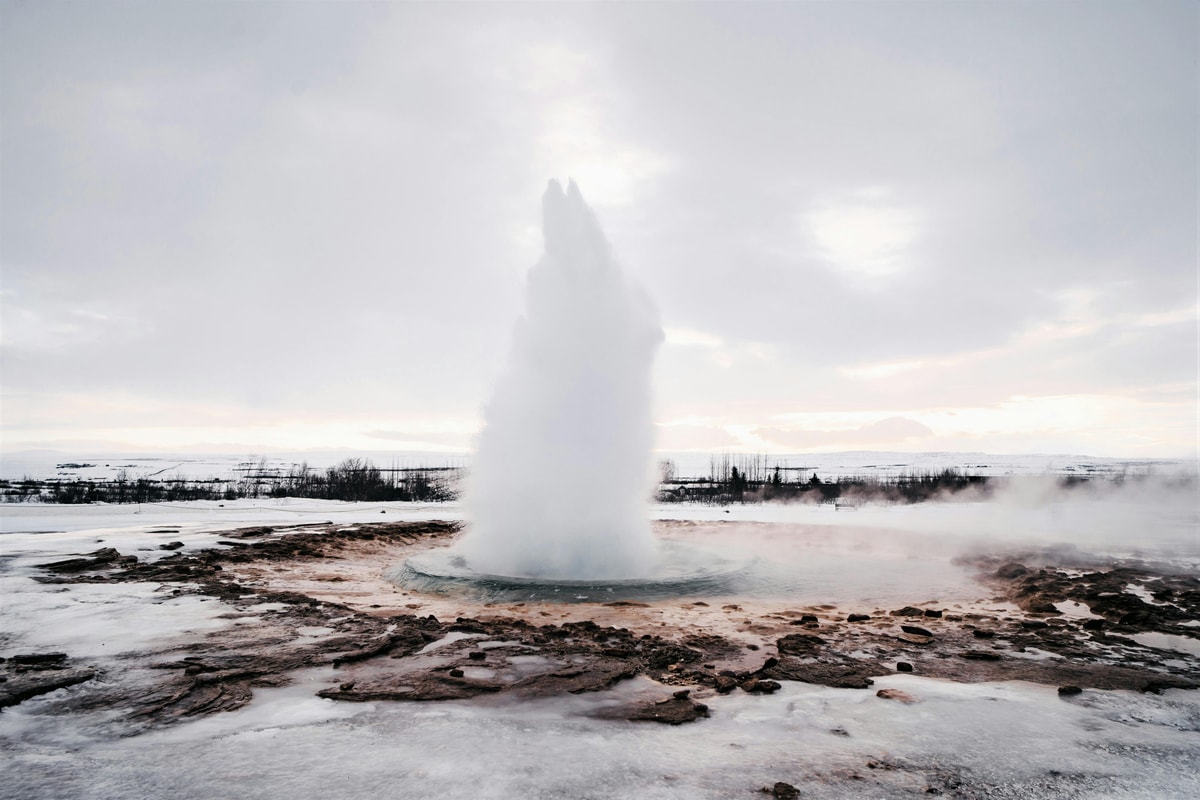
7. Stay in Southern Iceland
Realistically, 7 days would not be enough to complete the famous Ring Road around Iceland. Plus during the winter, access to the north of the country tends to be closed off due to the snow and winter weather, making access to this part of Iceland off-limits. Therefore, if you're planning to visit Iceland in the winter, your time will be better spent exploring the South of the country, from Reykjavik, to Vik, and everything in-between.
We have pulled together a handy Southern Iceland itinerary if you're looking for inspiration.
Additionally, because of the shorter days during the winter months, you will want to stay somewhat local, so you can see and do more during the daylight hours you have.
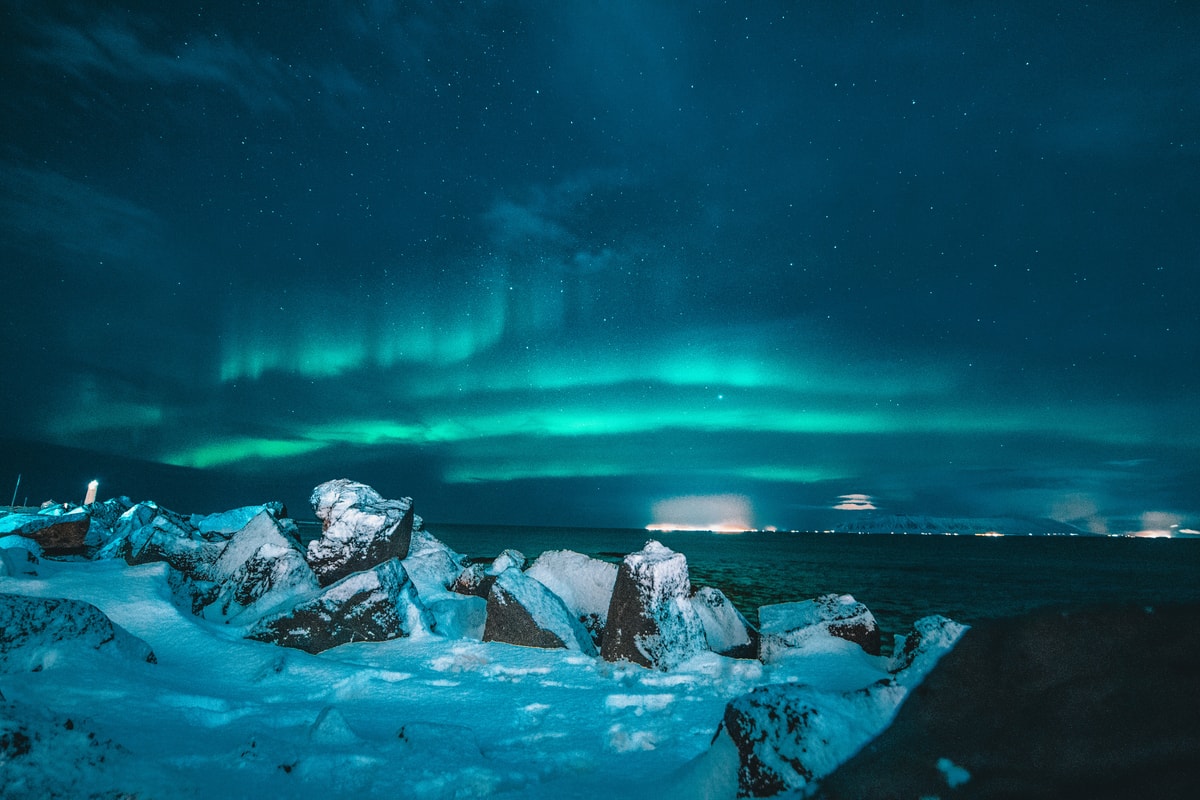
8. See the Northern Lights
Travelling in Iceland in winter is particularly special for one reason... Did you know it's possible to see the Northern Lights from late-September to early-April in Iceland? The dark days and short hours of daylight may sound bleak to some, but with that comes 6 months' of opportunities to see the Northern Lights!
We recommend checking vedur.is – which is the Icelandic Met Office and has surprisingly accurate forecasts for the aurora.
It's worth noting that you can visit Iceland during it's deepest, darkest months, but that doesn't guarantee you an opportunity to see them. We spent 7 days in Iceland at the end of November and were only able to see them by luck, during our very last night in the country (and after a 10 hour round-trip to see them!)
9. Experience Iceland's geothermal pools in the winter
Iceland sits across the Mid-Atlantic Ridge, a volcanic mountain range, generating over 120 geothermally-heated pools and springs across Iceland. Depending where you’re travelling in Iceland, there are plenty to choose from – from natural springs, to public swimming baths.
It might be cold outside, it might be raining, it might even be snowing!? But these are the ideal conditions when Iceland's geothermal pools really come into their own.
We visited Iceland at the end of November, when the wind chill was high, and it actually started snowing during our visit to the Secret Lagoon. Imagine dipping your freshly iced shoulders under the bath-temperature water, while the winter weather is in full force around you? There is absolutely nothing like it!
10. You may not be able to do, or see, everything you want to
While Iceland in the winter is definitely something to be experienced, the winter weather also means you may not be able to experience all the things on your hit list.
For example, whale watching is a popular activity for those visiting Iceland - however, the winter months aren't the best time of year to see whales, as many migrate to warmer waters during this time.
Additionally, certain "natural attractions" may be off-limits. We visited Skogafoss and Seljalandsfoss, but due to the freezing conditions, we were unable to walk right up to the waterfalls like you can in the summer, as the ground became a bit of an ice rink!
You may also have to keep your plans relatively flexible, depending on the weather. Due to the short days, you're best planning your time so that daylight hours are spent outside, exploring Iceland's wilderness, while rainy weather or darker hours, are spent relaxing in thermal pools, museums, bars or restaurants etc.
Questions?
Travelling in Iceland in winter is such a magical time to visit and it has so much to offer. We hope you found our guide to visiting Iceland in the winter helpful! If you have any questions, or any tips you’d like to share for future travellers to Iceland, then please share them in the comments below. We’d love to hear from you!
If you found our blog helpful, check out our Insta @welovetravel.in – if you give us a follow don’t forget to pop us a message to say hey! 👋
For more Iceland travel inspiration check out our other guides and Trip Reports below: